How to Use a China Forwarding Warehouse: Step-by-Step Guide for Europe & USA Buyers (2025)
1. Why a China Forwarding Warehouse Matters in 2025
If you live in Europe or North America and love buying from Taobao, 1688, AliExpress, Temu, Shein, TikTok Shop or small Chinese suppliers, you’ve probably run into at least one of these problems:
- Sellers won’t ship directly to your country
- International shipping for each small parcel is crazy expensive
- You place 10 orders and 10 separate packages arrive over several weeks
- Customs bills, VAT/duties, or “handling fees” are a nasty surprise
- You worry about parcels getting lost, damaged or misdelivered
A China forwarding warehouse solves all of that.
Instead of shipping each parcel straight overseas, all your orders are first sent to a warehouse inside China. The warehouse receives, checks, consolidates and repacks your parcels, then sends them out in one or a few optimised shipments to your home in the EU/UK/USA/Canada. This kind of consolidation cuts cost, simplifies customs and makes tracking much easier.cnxtrans+1
In this guide, you’ll learn:
- What a China forwarding warehouse actually is
- Who should use it (personal buyers + small businesses)
- A step-by-step workflow from registration to delivery
- How to choose shipping options for Europe (including Spain) and the USA
- What to watch out for with VAT, duties, DDP vs DAP/DDU
- Practical tips to save money and avoid delays
2. What Is a China Forwarding Warehouse?
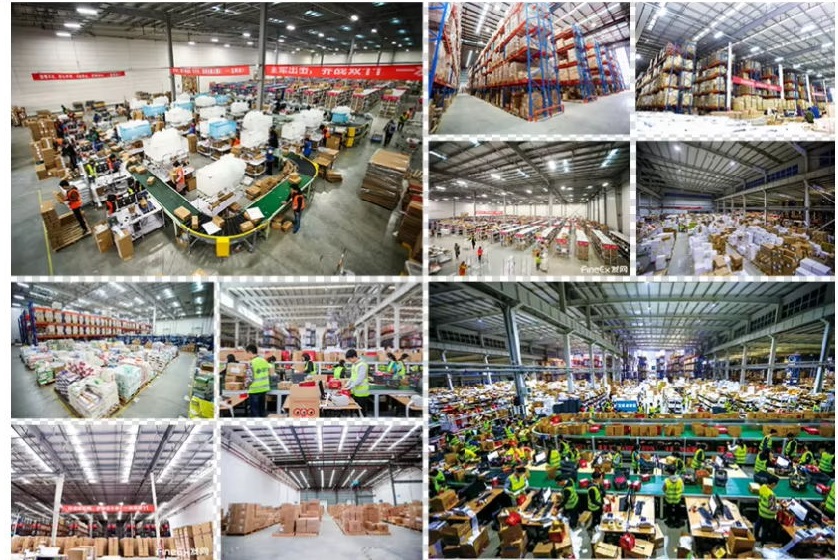
A China forwarding warehouse (also called a “consolidation warehouse” or “parcel forwarding centre”) is a facility in China that:
- Receives parcels from multiple Chinese sellers on your behalf
- Registers and stores them under your account
- Offers services like inspection, photo check, repacking and consolidation
- Ships your combined parcels to your address overseas using the route you choose
In other words: it’s your virtual address in China plus a logistics team.
Logistics providers use these warehouses to combine multiple small shipments into a larger one, so the available space in a truck, container or aircraft is used efficiently and shipping cost per kilo goes down.Easy China Warehouse+1
Typical benefits of a forwarding warehouse + consolidation:
- Lower shipping cost – multiple small parcels become one larger shipment, so you enjoy bulk rates instead of paying “first-kg” fees many times.chinadivision+1
- Simplified customs – one consolidated customs declaration instead of many small ones; less paperwork and fewer processing fees.cnxtrans+1
- Easier tracking – one outbound tracking number instead of 5–20 different numbers.Supplyia
- Reduced loss/damage risk – fewer separate shipments means fewer chances for parcels to go missing in transit.cnxtrans
- Flexible services – photo check, quality check, returns to sellers inside China, storage for days/weeks before shipping, etc.shieldworksmfg.com+1
3. Who Should Use a China Forwarding Warehouse?
Forwarding warehouses are ideal if:
3.1 Personal Buyers (Europe & USA)
- You buy from Taobao/1688 (Chinese-only sellers) that don’t ship internationally
- You place many small orders (clothes, gadgets, stationery, hobby items)
- You’re a student or expat wanting to send personal belongings home
- You want better protection and repacking for fragile items
3.2 Small Business & Resellers
- You resell Chinese products on Amazon, eBay, Vinted, Wallapop, Shopify, Etsy, etc.
- You source from multiple factories and want everything combined into one shipment
- You need regular monthly or bi-weekly consolidations to Spain, Germany, UK or USA
- You care about predictable landed cost (DDP, clear VAT/duty handling)
If you have more than two or three sellers per buying round, a forwarding warehouse almost always beats having the sellers ship one-by-one.
4. Step-by-Step: How to Use a China Forwarding Warehouse
Let’s walk through the whole process, from setting up an account to receiving your consolidated shipment at home.
Step 1 – Choose a Forwarding Provider & Open an Account
Look for providers that:
- Have warehouses in major hubs (Shenzhen, Guangzhou, Yiwu, Shanghai)
- Clearly explain service fees, storage time, repacking and consolidation rules
- Offer shipping routes you actually need (EU/UK special lines, US lines, DDP options)
- Provide an online dashboard in English with tracking & photos
Real “China package consolidation” services highlight benefits like lower per-kg cost, simplified customs, easier tracking and reduced risk of loss.cnxtrans+1
Create an account and complete any KYC / ID verification they require (this is normal due to anti-fraud and export-control regulations).
Step 2 – Get Your Personal China Warehouse Address
Once registered, you’ll receive:
- Receiver name (often your name + a numeric ID)
- Warehouse street address in China
- Phone number (Chinese number for local couriers to contact)
- Sometimes a postcode and warehouse code
This is the address you’ll fill in on Taobao, 1688, JD.com, Pinduoduo, etc. as your “shipping address”.
Most providers ask you to include your customer ID in the address line or name so they can automatically match parcels to your account when they arrive.
Step 3 – Place Orders on Chinese Platforms
On each platform/seller:
- Fill in the China warehouse address as your destination address
- Make sure to correctly include your unique ID
- Save or screenshot the order details and tracking numbers
Sellers think they are shipping domestically inside China (cheap or even free). All parcels go to the same warehouse, even if you bought from 10 different shops.
If a seller offers their own “direct shipping to Spain/USA” you can compare:
- Seller’s direct shipping (usually one parcel, higher cost)
- Your forwarder’s consolidated shipping (parcels combined, lower cost per kg)
For more than 2–3 items, consolidation typically wins.
Step 4 – Warehouse Receiving & Check-In
When the warehouse receives each parcel, staff will:
- Scan the tracking number and match it to your account
- Record weight and dimensions
- Often take photos of outer packaging (and sometimes contents if you paid for inspection)
- Update your online dashboard showing “Parcel #1 received”, “Parcel #2 received”, etc.shieldworksmfg.com
Here’s what you should do:
- Log in regularly and confirm all parcels arrived
- Spot-check the photos: does the parcel look undamaged?
- If something is missing after a reasonable time, open a ticket with the seller (not the forwarder) while your order is still protected by platform guarantees
Many providers let you group parcels into “Shipment A” and “Shipment B” – handy if, for example, you want one batch to go to Spain, another to the USA.
Step 5 – Choose Consolidation & Repacking Options
Now the real savings start.
Forwarding warehouses usually offer:
- Basic consolidation – put all your parcels into one or a few bigger cartons
- Advanced repacking –
- Remove outer boxes / unnecessary retail packaging
- Combine loose items into fewer boxes
- Add extra bubble wrap / corner protection / “Fragile” labels
- Label removal (for gifts or neutral packaging)
- Split shipments (e.g. send fragile items separately)
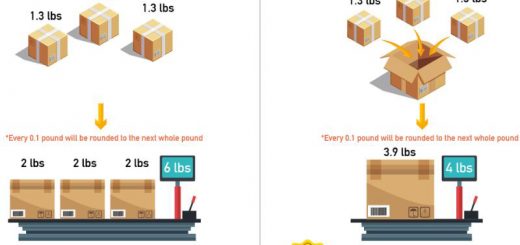
Consolidation reduces both per-parcel fixed fees and volumetric weight, which is key because international shipping is often charged on the higher of actual weight vs volume weight.chinadivision+1
Example (from a real consolidation case study): six 1 kg parcels shipped separately cost about $117 total, while the same 6 kg sent as one consolidated shipment cost around $43 – almost 60% savings.chinadivision
Recommendations:
- Say yes to repacking unless you specifically need retail boxes
- Tell them which items are fragile so they can add padding
- Avoid over-consolidating super heavy items in one box (difficult to carry, higher risk if lost)
Step 6 – Pick Your Shipping Route (Europe vs USA)
Your forwarding warehouse will show a list of outbound routes with:
- Destination region (EU, UK, Spain-specific lines, USA, Canada, etc.)
- Service type (air economy, express, postal, sea/rail for heavy loads)
- Incoterm – usually DDP or DAP/DDU
- Estimated transit time
- Price per kg (sometimes separate first-kg and additional-kg rates)
6.1 For Europe (with Spain as an example)
Key things to know:
- Since 1 July 2021, the EU removed the €22 VAT exemption: all commercial goods imported into the EU are now subject to VAT, regardless of value.VAT e-Commerce – One Stop Shop+1
- Low-value parcels under €150 can use the IOSS system, where sellers collect VAT at checkout, but if that isn’t used the VAT is collected by the carrier on import.维基百科+1
So for Spain:
- 21% VAT will apply to your goods (plus duty above €150)
- If you choose a DDP line, VAT and duties are typically prepaid – smoother and more predictable
- With DAP/DDU, Correos or courier will charge you VAT + possible handling fee on arrival
Typical outbound options from a China warehouse:
- EU air special lines (DDP) – 7–15 days, cost-effective for 2–30 kg, taxes included
- EU rail/sea + last-mile courier (DDP) – slower (15–30+ days) but cheaper per kg for big consolidations
- Postal parcels – cheap but slower and often DAP (you pay VAT on arrival)
- Express couriers (DHL, UPS, FedEx) – fastest (3–7 days) and more expensive; can be DDP or DAP
For personal shoppers to Spain:
Use a DDP Europe line from your forwarder whenever possible. You’ll pay slightly more upfront, but avoid surprise VAT bills and clearance fees at the door.
6.2 For the USA
In 2025, the US customs landscape changed significantly:
- The traditional $800 de minimis duty-free threshold has effectively been ended/suspended, starting with shipments from China, then extended to most countries.avalara.com+2www.hoganlovells.com+2
- That means even low-value parcels can now face duties or flat fees, especially from China.vatcalc.com+1
This has pushed many Chinese platforms and shippers to:
- Use forwarding warehouses and bulk-import to the US, then ship domestically, or
- Offer DDP-style services where they handle duties and fees upstream
From your China forwarding warehouse, typical USA options:
- Air economy lines to the US – 8–15 days, designed for e-commerce, sometimes with prepaid duties
- Express couriers – UPS/FedEx/DHL, 3–7 days, higher cost, professional customs handling
- Sea/rail + domestic last-mile – best for large consolidations (e.g. 50–100 kg+), slower but cheapest per kg
Given the end of generous de minimis, DDP to the US (or at least a service that clearly includes duties) can make your total cost more predictable, even if the headline shipping price looks higher.
Step 7 – Understand DDP vs DAP/DDU (Very Important)
Most forwarding warehouses will label their routes with Incoterms like DDP or DAP (modern replacement for “DDU”). Knowing the difference is crucial:
- DDP – Delivered Duty Paid
- The seller/shipper (your forwarder) takes full responsibility for transport and import charges.
- They pay customs duties, taxes, and brokerage fees, often via their customs broker.
- You receive the parcel like a domestic shipment, no extra payment on delivery.DHL+1
- DAP / DDU – Delivered At Place / Delivered Duty Unpaid
- The forwarder delivers to your country/address, but you must pay import duties, VAT and any clearance fees.
- If you don’t pay promptly, the parcel can be held, returned or even destroyed.shippingsolutionssoftware.com+1
Rule of thumb:
- For EU/UK private buyers – prefer DDP routes where available.
- For US in 2025 – strongly consider DDP-like solutions now that de minimis has been removed; DAP/DDU can generate large surprise bills.
Step 8 – Confirm Shipment Details & Pay
Before you click “Ship” in your forwarding dashboard, always double-check:
- Receiver details – full name, phone, post code, apartment number
- Item list & declared value – honest descriptions and realistic values
- Chosen route – region, transit time, DDP vs DAP, price
- Insurance – added for high-value consolidations
Forwarders may simplify documentation by generating a consolidated commercial invoice for you, listing all items and values together. That supports smoother customs clearance and aligns with the “one entry” advantage of consolidation.cnxtrans+1
Once you pay, your shipment is:
- Packed and labelled
- Handover booked with airline/linehaul carrier
- Export-cleared from China
You’ll get a main tracking number to follow the parcel to your country, and sometimes a secondary local tracking number from the EU/US partner.
Step 9 – Customs, Last-Mile Delivery & Receiving Your Parcel
At destination:
- The consolidated shipment arrives at an EU/UK/US gateway
- Carrier or broker files customs entry using the documentation (DDP or DAP path)
- Duties/VAT are processed or collected
- The shipment is handed off to a local courier/post (DPD/GLS/Correos/Royal Mail/USPS/UPS/FedEx etc.) for final delivery
If you chose DDP, in most cases you simply:
- Track the parcel
- Receive it at your home or pick-up point
If you chose DAP/DDU, you may:
- Get a SMS/email/letter asking you to pay VAT/duty + handling fee online
- Need to pay at a post office or to the courier on delivery
When the consolidated box arrives:
- Open it carefully and check item by item
- Compare against your forwarder’s item list and your Chinese platform orders
- If something is missing or damaged, document with photos and contact the forwarder (for repacking/transport issues) or the seller (for wrong or missing goods).
5. Cost & Time Expectations (High-Level)
Every forwarder has its own rate sheet, but some general patterns:
- To Europe (Spain, Germany, France, etc.):
- Air special lines: ~7–15 days
- Rail/sea + courier: ~15–35 days
- DDP pricing usually looks higher upfront but includes VAT/duty; DAP prices are lower but you pay tax later.fedex.com+1
- To USA:
- E-commerce air lines: ~8–15 days
- Express: ~3–7 days
- Sea/rail + domestic: ~25–45 days for big consolidations
With consolidation, many shippers report savings of 30–60% compared with shipping each small parcel individually, especially for lightweight consumer goods.chinadivision+1
6. Practical Tips to Get the Most Out of a China Forwarding Warehouse
- Batch your shopping – instead of shipping every few days, gather orders for 1–2 weeks then consolidate; fewer, slightly bigger shipments are usually cheaper per kg.chinadivision
- Always enable repacking – ask the warehouse to remove unnecessary packaging and protect fragile items properly; this cuts volume and reduces damage risk.Supplyia+1
- Label high-risk items – mark glass, ceramics or electronics as “fragile” in your instructions.
- Avoid prohibited goods – batteries, liquids, aerosols and certain chemicals are restricted on many air routes; shipping them anyway risks seizure or destruction. Check your forwarder’s list.
- Stay honest on value – undervaluing might seem tempting but customs in both the EU and US are increasingly targeting undervalued parcels; it can lead to fines, seizures and delayed clearance.Reuters
- Prefer DDP for personal imports – especially into the EU (post-2021 VAT rules) and the US (post-2025 de minimis changes), DDP makes your total landed cost more predictable.fedex.com+1
- Watch peak seasons – Chinese New Year and November–December peaks mean slower flights and ports; ship a bit earlier if timing matters.
7. Conclusion: Turning China into Your “Local” Shopping Neighbourhood
A China forwarding warehouse effectively gives you a local address inside China plus a smart logistics brain behind it. For Europe and USA buyers in 2025, it’s no longer a “nice to have”—it’s becoming the most practical way to handle:
- Many small orders from different Chinese sellers
- Tight shipping budgets
- Tougher VAT and customs rules in the EU
- The end of duty-free de minimis on small parcels in the US
By following the step-by-step process in this guide—choosing a solid forwarder, using your China warehouse address, consolidating intelligently, and picking suitable DDP/DAP routes—you can make your China shopping feel almost like buying domestically: predictable, trackable, and much cheaper than sending every parcel on its own.