How to Ship from China to Europe or the US: A Beginner’s Guide to Consolidated Freight
1. Introduction: Why Consolidated Shipping Matters for First-Time Importers
Buying from China has never been easier—online marketplaces, supplier platforms, and factory-direct sourcing give European and North American buyers access to products at competitive prices. Yet when it comes to shipping, many first-time importers feel overwhelmed. Should you choose express courier, air freight, LCL sea freight, or a consolidation service? Why are quotes so different? What are the hidden fees at customs? And how do you avoid damaged or lost parcels?
This guide is written specifically for first-time European and North American shoppers who want to ship multiple parcels from China to their home countries using consolidated freight. Consolidation (also called “forwarding,” “parcel collection,” or “groupage shipping”) is now one of the most popular and cost-effective choices for small buyers.
Below, you’ll learn how consolidation works, how much it really costs, how long it takes, what to expect at customs, and the practical steps to ensure your goods arrive safely—without stress or surprise charges.
2. What Is Consolidated Freight?
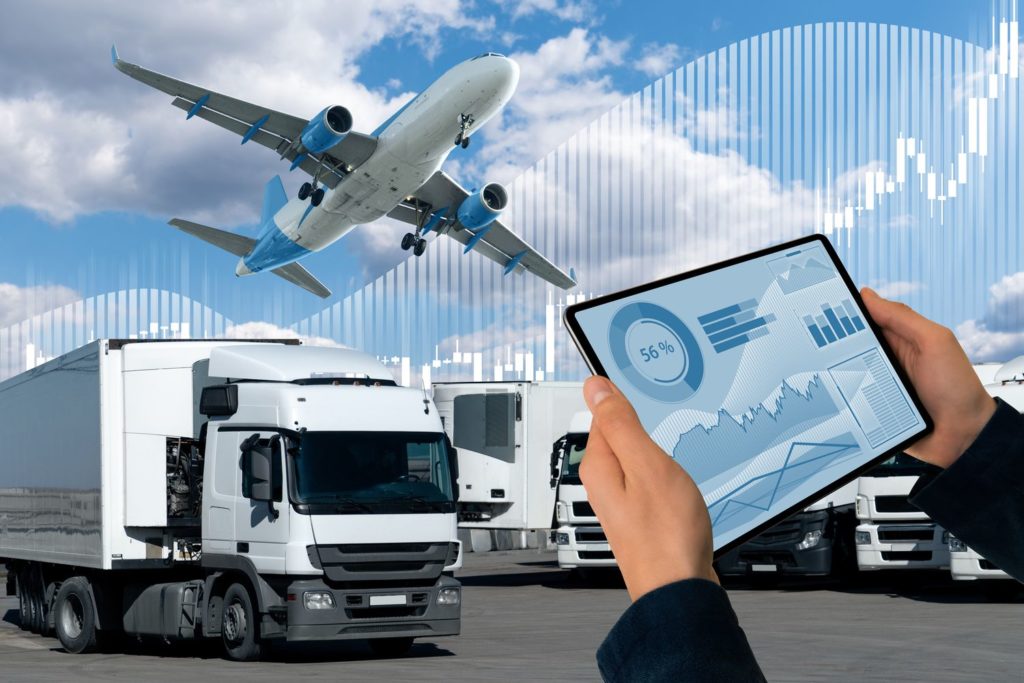
Consolidated freight is a logistics service where the warehouse receives several parcels from different sellers, combines them into one or multiple master packages, and then ships them to your country using the most suitable channel.
For many small buyers, consolidation solves three key problems:
✓ 1. Lower shipping cost
Instead of paying 10–20 separate courier fees, your packages are merged into one billable shipment. This reduces:
- Per-parcel minimum charges
- Fuel surcharges
- Remote area fees
- Customs declaration handling
- Packaging and dimensional weight (after optimization)
✓ 2. Better handling and repacking
The warehouse checks your parcels, removes excess packaging, strengthens weak boxes, and optimizes the volume to reduce shipping fees.
✓ 3. Unified customs clearance
All items can be declared together, simplifying documentation and reducing the chance of delays.
Consolidation is especially suited for:
- Amazon shoppers
- Taobao / 1688 buyers
- Dropshippers testing new SKUs
- Small business owners
- Hobbyists buying tools, electronics, or parts
- Students and migrants shipping personal effects home
3. How the Consolidation Process Works (Step-by-Step)
Step 1: Get a warehouse address
Your freight forwarder provides a China warehouse receiving address. You submit this address to your sellers on 1688, Taobao, JD, or AliExpress.
Step 2: Sellers ship your parcels to the warehouse
Once packages arrive, the warehouse records:
- Tracking number
- Weight & size
- Condition of the parcel
- Photos or videos
- Any damage or missing items
You receive notifications through email, WhatsApp, or the forwarder’s dashboard.
Step 3: Quality check + repacking + consolidation
The warehouse:
- Opens parcels (if you request)
- Checks item quantity
- Takes photos
- Removes bulky boxes
- Combines items
- Strengthens the outer carton
- Reduces dimensional weight
Step 4: Choose your shipping method
Depending on your country, you may choose:
- Air freight consolidation (fastest)
- Rail freight to Europe (stable & cheaper)
- Sea freight LCL or postal consolidation (cheapest)
- Express consolidation (DHL/UPS/FedEx) at discounted rates
Step 5: Customs clearance
Your freight forwarder handles export customs in China plus import declaration in your country (depending on the service type: DDP or DDU).
Step 6: Last-mile delivery
When your shipment lands in your country, local couriers deliver to your doorstep:
- Europe: DPD, GLS, Hermes, La Poste, DHL
- USA/Canada: USPS, UPS, FedEx, Canada Post
4. Shipping Options from China to Europe & the US
Different regions prefer different shipping modes. Below is a clear breakdown.
4.1 Air Freight Consolidation
Best for: electronics, beauty products, fashion, tools, small appliances
Advantages
- Fast: 5–12 days to EU/US
- Stable schedules
- Smaller risk of damage
- Good for parcels under 100 kg
Disadvantages
- Higher cost
- Stricter restrictions (power banks, liquids)
Typical air freight timeline
- EU: 7–10 days
- UK: 6–9 days
- USA West Coast: 7–10 days
- USA East Coast: 10–14 days
- Canada: 10–18 days
4.2 Sea Freight Consolidation (LCL)
Best for: furniture, bulk orders, heavy items, large volumes
Advantages
- Cheapest option
- Very stable for large shipments
- Suitable for 50 kg – several tons
Disadvantages
- Slow: 25–40 days
- Port congestion can cause delays
- More complicated customs steps
4.3 Rail Freight to Europe
Only available for: EU/UK region
Especially popular for buyers in:
- Germany
- Poland
- Hungary
- Czech Republic
- Slovakia
- France
- Spain
Advantages
- Faster than sea freight
- Cheaper than air freight
- Good balance of price/time
- Environmentally friendly
Timeline: 14–25 days depending on final destination.
4.4 Express Courier Consolidation (DHL/UPS/FedEx)
Advantages
- Fastest global delivery (3–7 days)
- Real-time tracking
- Good for valuable items
Disadvantages
- Highest cost
- Remote area surcharges
5. Shipping Costs: What You Actually Pay For
New buyers often feel confused because quotes vary widely. Here are the real components of shipping costs.
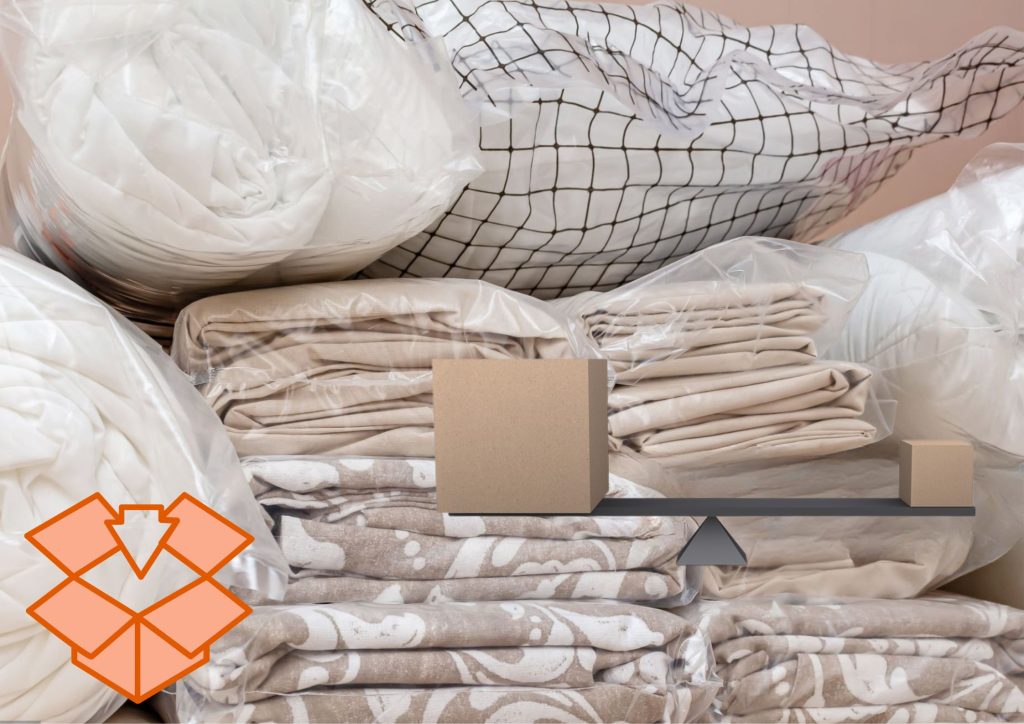
5.1 Chargeable Weight = Actual Weight vs. Dimensional Weight
Most carriers use the higher of:
- Actual weight
- Volumetric weight (length × width × height / 6000 or 5000)
Why this matters:
A light but bulky item like a pillow may cost more than a small 5 kg tool.
5.2 Additional fees you may need to consider
- Remote area surcharge
- Fuel surcharge
- Export customs
- Import VAT / duties (when DDU)
- Repacking fees (if required)
- Storage (if holding for > 30 days)
A reliable consolidator will show these costs clearly.
6. Customs: What European and North American Buyers Must Know
EU Countries (Including UK)
EU now follows the IOSS / VAT on e-commerce goods rules.
- Parcels under €150: VAT usually prepaid (depends on service)
- Parcels over €150: import duties apply
- Personal effects: may require a declaration but often duty-free
Banned/restricted items:
- Batteries not declared properly
- Liquids
- Perfume
- Knives and weapons
- Large power banks
- Food items
USA
Rules are relatively simple:
- Under USD 800: no duty (Section 321)
- Above USD 800: customs declaration required
- FDA rules apply for cosmetics/food
- DOT rules for hazardous items
Canada
Canada tends to have:
- Higher taxes
- Stricter inspection
- Slower customs clearance
Generally, expect:
- GST
- Duty depending on category
- Brokerage fees (if not included)
7. Delivery Time: Realistic Expectations
Shipping times are not fixed. They depend on:
- Flight availability
- Port congestion
- Customs workload
- Holiday peak seasons (Black Friday, Christmas, Chinese New Year)
Typical timeframes:
| Route | Typical Time |
|---|---|
| China → USA | 7–14 days (air), 30–40 days (sea) |
| China → Canada | 10–18 days (air) |
| China → Germany | 10–15 days (air), 14–25 days (rail) |
| China → UK | 6–9 days (air) |
| China → France/Spain/Italy | 10–14 days (air) |
If timing is critical, avoid Chinese New Year (Jan–Feb) and Black Friday peak (Nov–Dec).
8. How to Avoid Hidden Fees
1. Choose DDP (Delivered Duty Paid) services
DDP covers:
- Shipping cost
- VAT
- Customs clearance
- Last-mile delivery
This is the most beginner-friendly method.
2. Keep item values honest
Undervaluation may trigger:
- Inspection
- Delays
- Penalties
- Seizures
3. Consolidate efficiently
Combine parcels to reduce:
- Volumetric weight
- Handling fees
- Multi-parcel clearance charges
4. Check shipping restrictions
Especially for:
- Lithium batteries
- Aerosols
- Liquid cosmetics
- Supplements
9. Tips for First-Time Buyers
✓ Ask for unpacking + repacking
You save 10–40 % of shipping cost just by removing useless packaging.
✓ Track everything
Legitimate providers offer:
- Warehouse dashboard
- Incoming parcel photos
- Weighing reports
- Real-time tracking
✓ Understand DDP vs. DDU
DDP = everything included
DDU = taxes + clearance paid at destination
✓ Don’t ship valuable items without insurance
Especially electronics, lenses, and tools.
✓ Always label your warehouse address correctly
Wrong information = lost or delayed parcel.
10. Conclusion: Consolidation Is the Best Solution for Small Buyers
Consolidated freight is the most friendly, economical, and flexible option for European and North American customers purchasing goods from China. It provides:
- Lower cost
- Customised packaging
- Clear customs handling
- Stable routing
- Convenience for multi-parcel shipments
Whether you’re buying tools, clothes, electronics, or personal items, consolidation removes the complexity and gives you a smooth, predictable experience.
If you’re a first-time importer, this is the easiest way to get started.